


By Anthony Wu · ELEGAUDIO · November 28, 2026
A complete digital mixer and wireless IEM kit is an agreed list of exact units, audio connections, power supplies, antennas, earphones, mounting parts and any required spares, supported by a working signal-path test. A product photograph or the word “set” does not confirm what will be supplied. Put the quantity and inclusion status of every item into the quotation before approving a sample.
For distributors, rental companies and integrators, a missing cable or incorrect adapter can turn a delivered carton into an unfinished installation. The objective is to make the offer, sample, packing list and acceptance record describe the same system. Separate items included in the quoted price from optional items, buyer-supplied equipment and agreed exclusions.
Begin with the listening requirement. How many performers need to listen, and how many independently adjustable mixes do they need? Count receivers, source mixes and physical outputs separately. Our mono/stereo output verification guide explains that distinction. This article focuses on the purchasing and packing record once those requirements are clear.
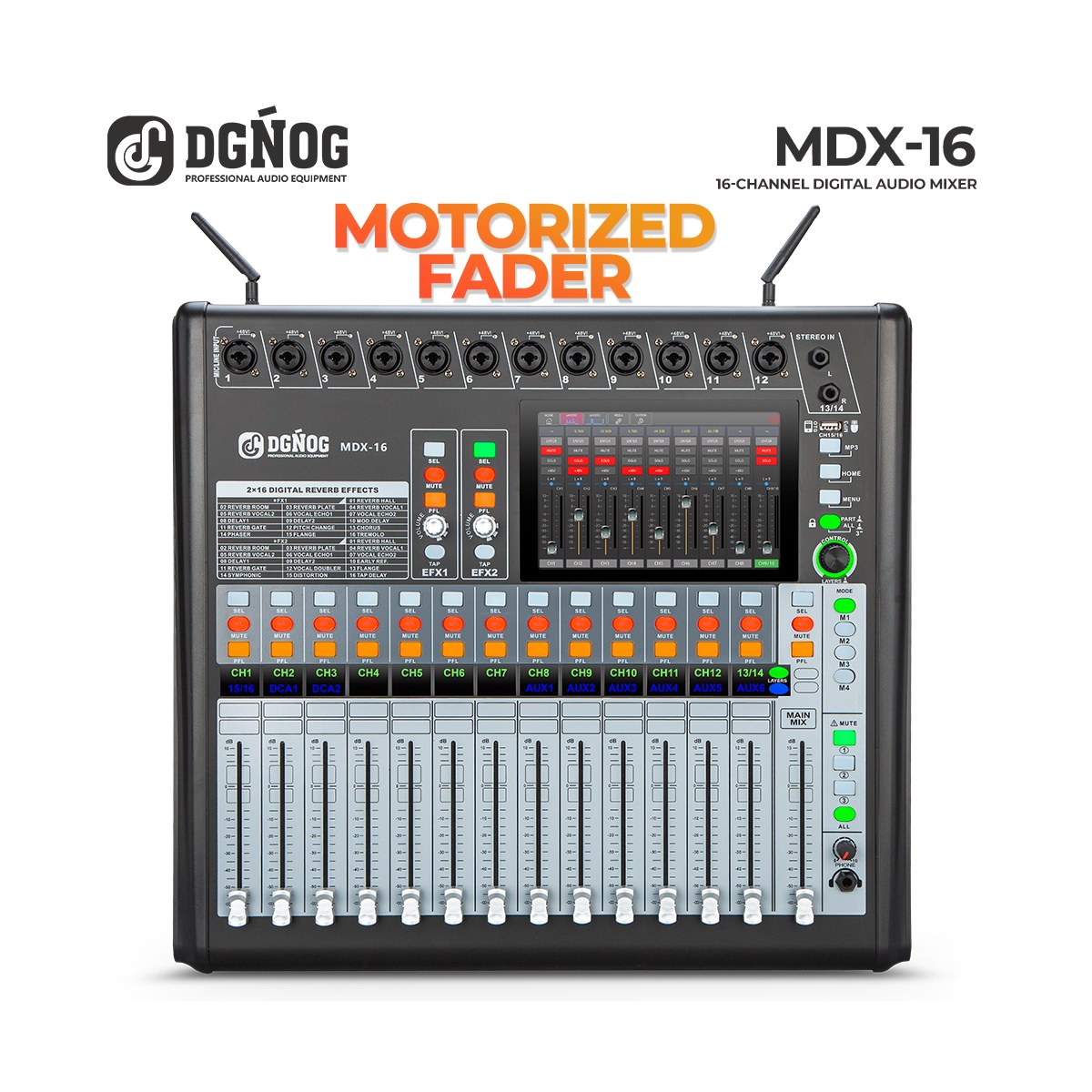
DGNOG MDX-16 digital mixer product reference. This catalogue image is not the confirmed contents of a purchase package or evidence of a tested combination.
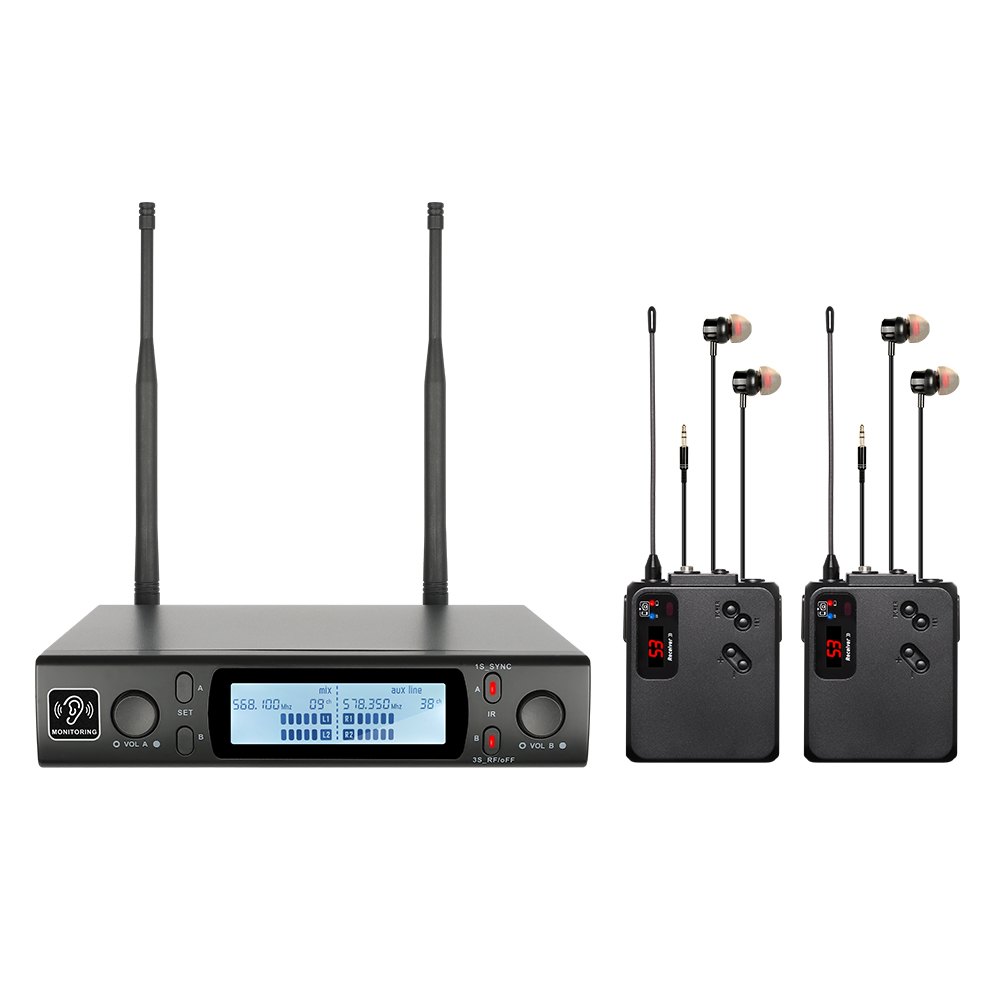
PSM400 wireless in-ear monitoring catalogue system photograph. This catalogue image is not the confirmed contents of a purchase package or evidence of a tested combination.
Use one bill of materials with separate columns for the exact item, required quantity, inclusion status and acceptance evidence. The following is a blank purchasing framework, not the standard contents or specification of the products pictured.
| Package line | Specify in the quotation | Confirm at handover |
|---|---|---|
| Digital mixer and outputs | Exact model/version, buyer-owned or supplied, required output map | Model label and demonstrated physical outputs |
| Transmitters and receivers | Exact models, compatible version/band, unit quantities, required modes | Labels match the order; required listening arrangement demonstrated |
| Audio cables and adapters | Connector/wiring, length and quantity for each planned path | Counted parts and traced connections |
| Power and batteries | Correct supply, plug, battery/charging arrangement and inclusion status | Labels match device requirements and approved package |
| Antennas and installation | Compatible antenna, mounting parts, brackets and any required accessories | Exact items present; installation follows the relevant instructions |
| Earphones and wear items | Exact offered type, quantity and replacement accessories | Count, identity and agreed individual-use packaging checked |
| Spares and documentation | Named compatible spare items, manuals and service contact | Spare identity, documentation and responsibility recorded |
Illustrative purchasing example: four performers need two independent mono mixes, with two performers sharing each balance. The buyer already owns the mixer. The request should identify four listening positions and two source mixes, then ask the supplier to document an exact wireless configuration that meets that requirement. It should separately name the cables, correct supplies, earphones, installation parts and spares. This is a planning brief, not a claim that a pictured package supports a particular receiver count or mode.
Compare complete offers: compare the same approved list across quotations. Record product cost, separately purchased accessories, freight and any agreed local installation or service costs. Use current quotations for actual values. An apparently lower unit price may describe a different package; “everything included” is not auditable without line items.
Manufacturer documentation illustrates why itemized contents matter. The Shure PSM300 user guide identifies supplied components and their configuration-dependent exceptions. That is an example of a documented packing scope, not a statement about PSM400 contents, brand equivalence or interchangeable accessories. For the PSM400 catalogue reference shown here, request the actual order-specific list and sample demonstration.
ELEGAUDIO coordinates product selection, supplier clarification, sample evaluation, quality-control records and export delivery across the Enping professional-audio supply network. An itemized system brief helps us clarify the offered configuration and accessory scope. Package contents, operating modes, destination requirements, warranty and replacement responsibility must be confirmed for the actual order; no universal certification or compatibility claim is made here.
No. Catalogue artwork may show a family, optional accessories or an illustrative arrangement. Use the quotation's exact model, quantity and inclusion status, then match them to the approved sample and packing list.
Count the independently adjustable balances needed. Performers sharing one balance do not automatically require separate source mixes. Receivers, mixes, physical outputs and RF channels are different counts; verify the exact equipment arrangement.
Connector fit alone is insufficient. Confirm the manufacturer's requirements, including the applicable electrical ratings, connector and polarity where relevant. Use an approved matching supply for the exact device.
No universal inclusion rule applies. Write them as separate quotation lines and identify the exact offered parts. Mark an item excluded or buyer-supplied when that is the agreement.
Record the proposed change before shipment, verify it against the device requirements and repeat the affected acceptance checks. Keep the buyer's approval with the revised bill of materials. Do not treat an unapproved replacement as the same package.
Send your country, application, required independent mixes, listening positions, existing equipment, quantities and preferred accessory/spare scope. Include the planned connection list. The sample-to-shipment acceptance guide helps carry that record into the wider purchase.
Request a package review: contact Yara at yara@elegaudio.com or WhatsApp +86 136 3129 1403. Share your application, mix requirement, listening positions and order quantity so the configuration can be clarified.
#DigitalMixer #WirelessIEM #InEarMonitoring #BuyingChecklist #ELEGAUDIO #ProfessionalAudio #GEO