


Before supplying a digital mixer with wireless microphones or wireless in-ear monitoring, prepare one shared handover sheet for the venue and the RF coordinator. Record the actual equipment, destination market, venue, audio connections, responsibility for frequency planning and the checks required before acceptance. A mixer output list is not a wireless frequency plan, and a catalogue model name does not establish the legal operating band of an offered unit.
This guide is for distributors, rental teams and AV integrators preparing a combined system. It supplies the information handover process; it does not approve frequencies or certify a particular installation.
Author: Anthony Wu | ELEGAUDIO | 26 November 2026
The goal is a documented decision: can the offered equipment be evaluated for the intended venue and audio workflow, and who must resolve each unanswered question? Keep audio planning, equipment identity and RF coordination in separate fields on the same sheet. This prevents a completed soundcheck in one part of the system from being mistaken for acceptance of every part.
For example, a buyer may have a clear requirement for two different performer balances but no confirmed destination-market frequency version. Record the listening requirement now and leave the RF version unresolved. Do not turn that gap into a promise that the quoted wireless equipment can be used at the venue.
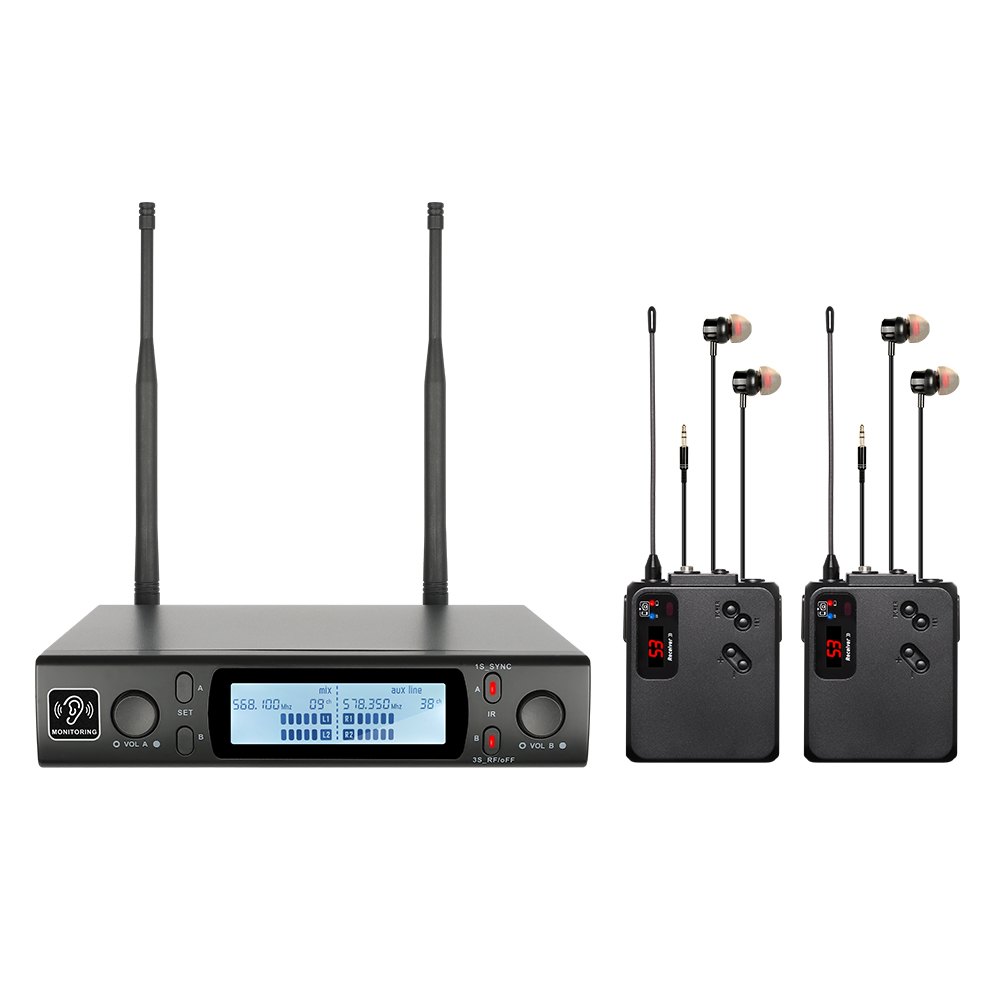
Product reference: PSM400 wireless IEM system. The photograph identifies a catalogue reference; it does not establish the supplied band, legal permission, compatibility or a completed venue test.
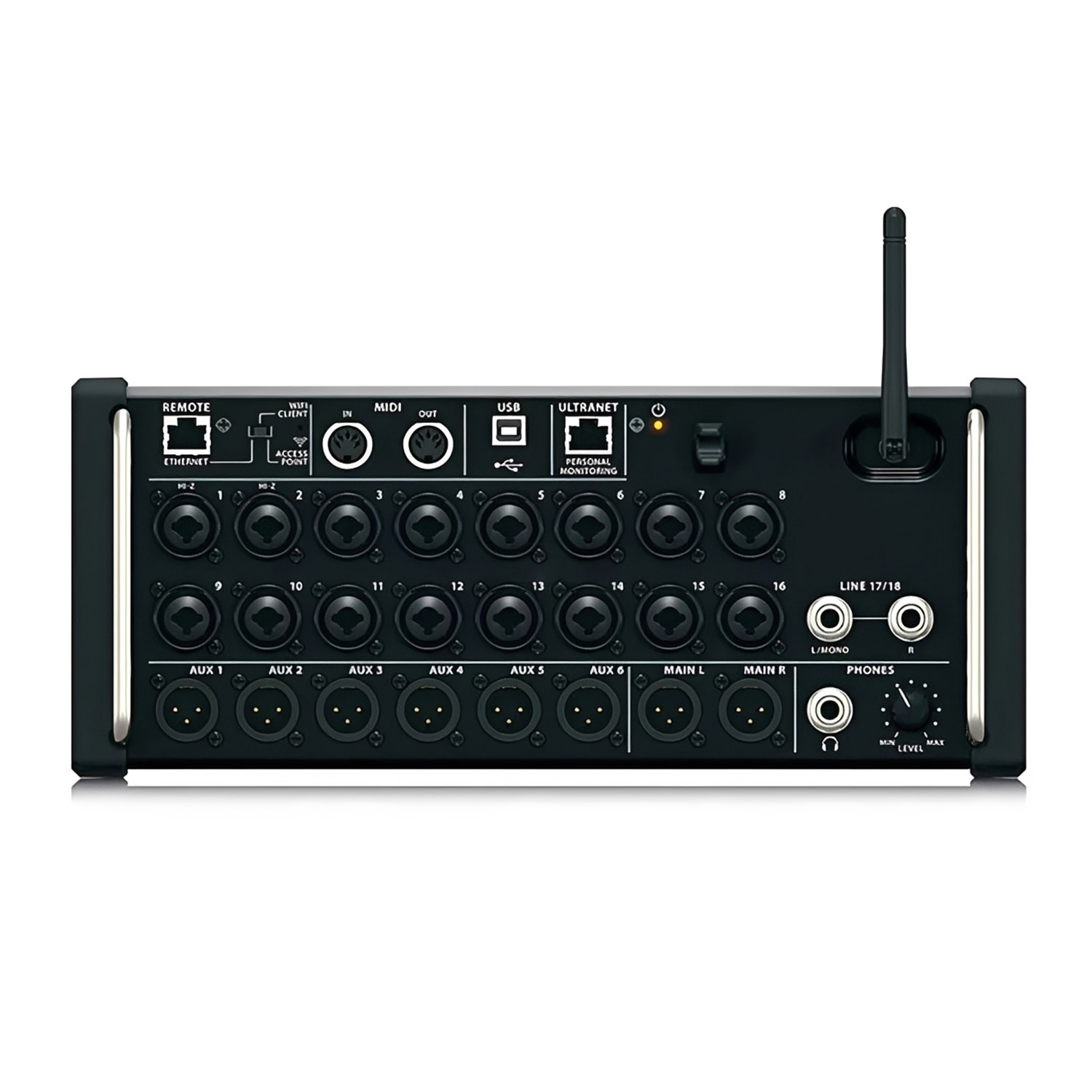
Digital mixer reference: XR18 product page. This is a separate catalogue reference, not a claim that the pictured products form a tested or pre-approved package.
| Field | What to retain | Acceptance question |
|---|---|---|
| Application | Country, venue, date and operating requirement | Is the intended use clearly defined? |
| Equipment identity | Unit label photographs, matching documents and quoted configuration | Do the records refer to the actual offered units? |
| Audio paths | Performer balances, mixer outputs, device inputs and cable list | Can the intended listening workflow be demonstrated? |
| RF responsibility | Named coordinator and the plan or permission evidence they require | Who confirms suitability for the destination and venue? |
| Acceptance | Conditions, observations, unresolved items and owner | What is accepted, and what remains conditional? |
| Handover | Record version, equipment identifiers and support contact | Can a later delivery be checked against the agreed record? |
Keep the two checks distinct: confirming that audio reaches a wireless transmitter is an audio-path observation. It does not, by itself, establish RF suitability or legal permission. Likewise, a catalogue frequency range is not a completed site coordination record.
For the mixer side, use the pre-fader AUX monitor soundcheck checklist. For portfolio questions, start with the wireless IEM buyer guide. Confirm the actual supplied product before applying model-specific instructions.
Does the digital mixer choose the wireless operating frequencies?
Do not assume that from the mixer model or an audio connection. Keep the mixer routing record and the wireless configuration record separate, and obtain instructions for the actual equipment.
Can I promise a fixed number of wireless systems from a catalogue?
A purchasing checklist should not make that promise without the required equipment, destination and site evidence. Ask the responsible coordinator to define the relevant conditions and acceptance criteria.
What if the supplier cannot confirm the band version?
Record the quotation as conditional. Request the identifying label and matching documentation before treating the unit as suitable for the intended use.
Should the microphone and IEM purchases be handed over separately?
Keep each product's identity and audio role clear, but provide the responsible coordinator with one complete inventory for the planned application. Separate purchase orders should not conceal equipment from the shared planning record.
What should I send ELEGAUDIO first?
Send the country, venue or application, intended event date, existing equipment list, required performer balances and purchasing quantity. Mark missing information explicitly. ELEGAUDIO can help organize product selection, supplier documentation, sample evaluation and handover requirements; final configuration and destination suitability require confirmation for the actual order.
Procurement contact: Yara | WhatsApp +86 13631291403 | yara@elegaudio.com.